I have spent many years fighting pseudoscience and trying to explain how science works, why it is of value, and what its role should be in decisions making, on both personal and public-policy levels. I can’t say as I’ve seen evidence that the message is getting to those who need to understand it. Pseudoscience thrives, and the rejection of science and scientific expertise is growing and spreading. From homeopathy to vaccine refusal to the anti-science clown show that is the federal government’s COVID-19 response, science seems to be losing and opinion, ignorance, denialism, and self-delusion seem to be winning. I’ll keep fighting, because what choice is there? But I fear the Age of Endarkenement is here, and the U.S. is it’s epicenter.
At least I can say I’m not alone in this. The following is an open-access editorial from the New England Journal of Medicine which expresses very succinctly how we as a nation have failed miserably at managing COVID-19, despite all of our wealth, infrastructure, and scientific expertise. The failure is one of leadership, but I would go further and suggest it is a failure of our society or culture as a whole. The anti-science loons now dominating the government are avatars of the Zeitgeist, of the society from which they have emerged. They embody the problem, but they did not create it. If after all failures of the response to COVID-19, and hundreds of thousands of deaths, 30-40% of Americans still support the administration, then the rejection of science is not a personal failing but a societal one.
Covid-19 has created a crisis throughout the world. This crisis has produced a test of leadership. With no good options to combat a novel pathogen, countries were forced to make hard choices about how to respond. Here in the United States, our leaders have failed that test. They have taken a crisis and turned it into a tragedy.
The magnitude of this failure is astonishing. According to the Johns Hopkins Center for Systems Science and Engineering,1 the United States leads the world in Covid-19 cases and in deaths due to the disease, far exceeding the numbers in much larger countries, such as China. The death rate in this country is more than double that of Canada, exceeds that of Japan, a country with a vulnerable and elderly population, by a factor of almost 50, and even dwarfs the rates in lower-middle-income countries, such as Vietnam, by a factor of almost 2000. Covid-19 is an overwhelming challenge, and many factors contribute to its severity. But the one we can control is how we behave. And in the United States we have consistently behaved poorly.
We know that we could have done better. China, faced with the first outbreak, chose strict quarantine and isolation after an initial delay. These measures were severe but effective, essentially eliminating transmission at the point where the outbreak began and reducing the death rate to a reported 3 per million, as compared with more than 500 per million in the United States. Countries that had far more exchange with China, such as Singapore and South Korea, began intensive testing early, along with aggressive contact tracing and appropriate isolation, and have had relatively small outbreaks. And New Zealand has used these same measures, together with its geographic advantages, to come close to eliminating the disease, something that has allowed that country to limit the time of closure and to largely reopen society to a prepandemic level. In general, not only have many democracies done better than the United States, but they have also outperformed us by orders of magnitude.
Why has the United States handled this pandemic so badly? We have failed at almost every step. We had ample warning, but when the disease first arrived, we were incapable of testing effectively and couldn’t provide even the most basic personal protective equipment to health care workers and the general public. And we continue to be way behind the curve in testing. While the absolute numbers of tests have increased substantially, the more useful metric is the number of tests performed per infected person, a rate that puts us far down the international list, below such places as Kazakhstan, Zimbabwe, and Ethiopia, countries that cannot boast the biomedical infrastructure or the manufacturing capacity that we have.2 Moreover, a lack of emphasis on developing capacity has meant that U.S. test results are often long delayed, rendering the results useless for disease control.
Although we tend to focus on technology, most of the interventions that have large effects are not complicated. The United States instituted quarantine and isolation measures late and inconsistently, often without any effort to enforce them, after the disease had spread substantially in many communities. Our rules on social distancing have in many places been lackadaisical at best, with loosening of restrictions long before adequate disease control had been achieved. And in much of the country, people simply don’t wear masks, largely because our leaders have stated outright that masks are political tools rather than effective infection control measures. The government has appropriately invested heavily in vaccine development, but its rhetoric has politicized the development process and led to growing public distrust.
The United States came into this crisis with enormous advantages. Along with tremendous manufacturing capacity, we have a biomedical research system that is the envy of the world. We have enormous expertise in public health, health policy, and basic biology and have consistently been able to turn that expertise into new therapies and preventive measures. And much of that national expertise resides in government institutions. Yet our leaders have largely chosen to ignore and even denigrate experts.
The response of our nation’s leaders has been consistently inadequate. The federal government has largely abandoned disease control to the states. Governors have varied in their responses, not so much by party as by competence. But whatever their competence, governors do not have the tools that Washington controls. Instead of using those tools, the federal government has undermined them. The Centers for Disease Control and Prevention, which was the world’s leading disease response organization, has been eviscerated and has suffered dramatic testing and policy failures. The National Institutes of Health have played a key role in vaccine development but have been excluded from much crucial government decision making. And the Food and Drug Administration has been shamefully politicized,3 appearing to respond to pressure from the administration rather than scientific evidence. Our current leaders have undercut trust in science and in government,4causing damage that will certainly outlast them. Instead of relying on expertise, the administration has turned to uninformed “opinion leaders” and charlatans who obscure the truth and facilitate the promulgation of outright lies.
Let’s be clear about the cost of not taking even simple measures. An outbreak that has disproportionately affected communities of color has exacerbated the tensions associated with inequality. Many of our children are missing school at critical times in their social and intellectual development. The hard work of health care professionals, who have put their lives on the line, has not been used wisely. Our current leadership takes pride in the economy, but while most of the world has opened up to some extent, the United States still suffers from disease rates that have prevented many businesses from reopening, with a resultant loss of hundreds of billions of dollars and millions of jobs. And more than 200,000 Americans have died. Some deaths from Covid-19 were unavoidable. But, although it is impossible to project the precise number of additional American lives lost because of weak and inappropriate government policies, it is at least in the tens of thousands in a pandemic that has already killed more Americans than any conflict since World War II.
Anyone else who recklessly squandered lives and money in this way would be suffering legal consequences. Our leaders have largely claimed immunity for their actions. But this election gives us the power to render judgment. Reasonable people will certainly disagree about the many political positions taken by candidates. But truth is neither liberal nor conservative. When it comes to the response to the largest public health crisis of our time, our current political leaders have demonstrated that they are dangerously incompetent. We should not abet them and enable the deaths of thousands more Americans by allowing them to keep their jobs.
Veterinary medicine is ostensibly a science-based profession. The Veterinarian’s Oath taken by veterinary graduates in North America begins, “I solemnly swear to use my scientific knowledge and skills for the benefit of society.”1 The centrality of science and scientific evidence is similarly acknowledged in statements of principles and ethics by veterinary organizations around the world.2–4
Modern veterinary practice relies on science to develop the tests and treatments we use and guide their application. Scientific research has enabled tremendous improvements in human and animal well-being, and it is indisputably the most effective means of understanding the natural world we have.
Unfortunately, the role of science as a source of knowledge, in healthcare and many other domains, is too often controversial. The scientific approach is sometimes threatening to people committed to other ways of validating their beliefs, whether organized philosophical or religious traditions or simply our individual life experiences. Also, the tools for manipulating nature that scientific knowledge allows us to develop can be misused or harmful, and negative views of some of these tools can lead people to view science and technology in general with suspicion or mistrust.
Mistrust of science and disdain for scientific expertise, especially when applied to public policy, has become depressingly widespread in our society. Too many people have become convinced that either scientists cannot be trusted or that every individual can become a self-taught expert in any subject with sufficient motivation and an internet connection. As a result, scientific expertise has lost much of its influence in the public sphere. This has grave consequences.
The resurgence of preventable infectious disease due to declining vaccination has been the most prominent example of this for years.5–11 However, the current COVID-19 pandemic has taken pride of place as the clearest and most brutal example of the consequences of anti-scientific attitudes and behavior. Tens of thousands of people have experience illness and death unnecessarily due to the refusal of their neighbors and their governments to heed the expertise of health scientists and take appropriate measures to prepare, prevent, and respond to a pandemic. Voices expressing doubt and contempt towards science have gone from the fringes to the center of society, with devastating consequences.
Prominent anti-scientific beliefs that have hampered our ability to deal with COVID-19 include claims that-12–15
The virus and pandemic are mere hoaxes
The virus was manufactured or released deliberately
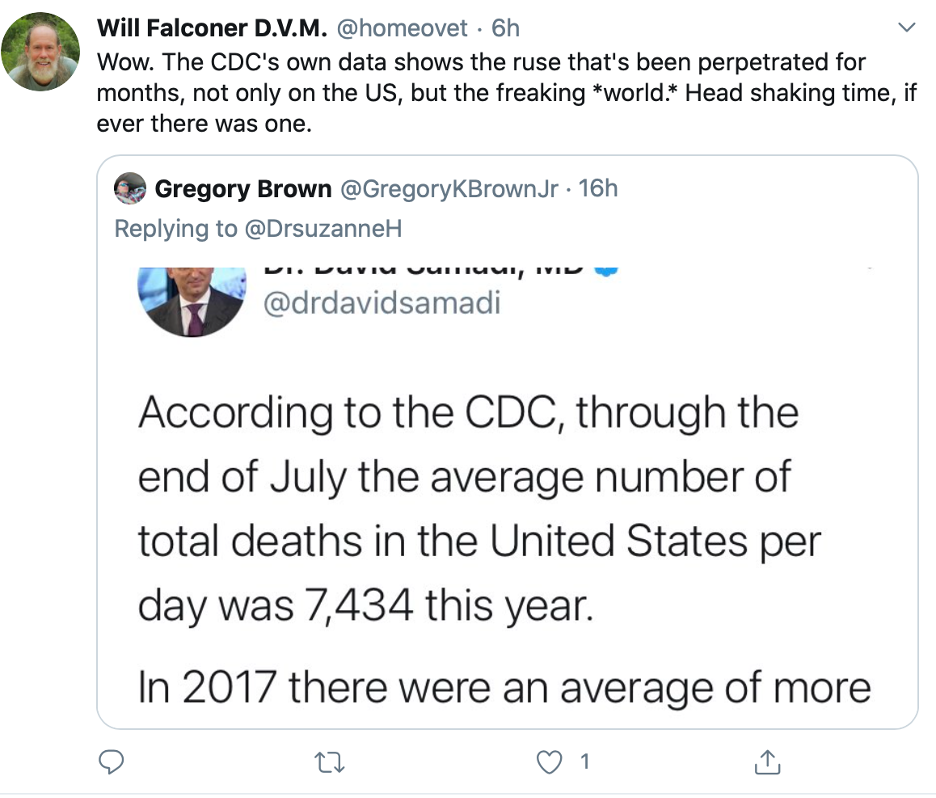
The morbidity and mortality rates have been intentionally exaggerated
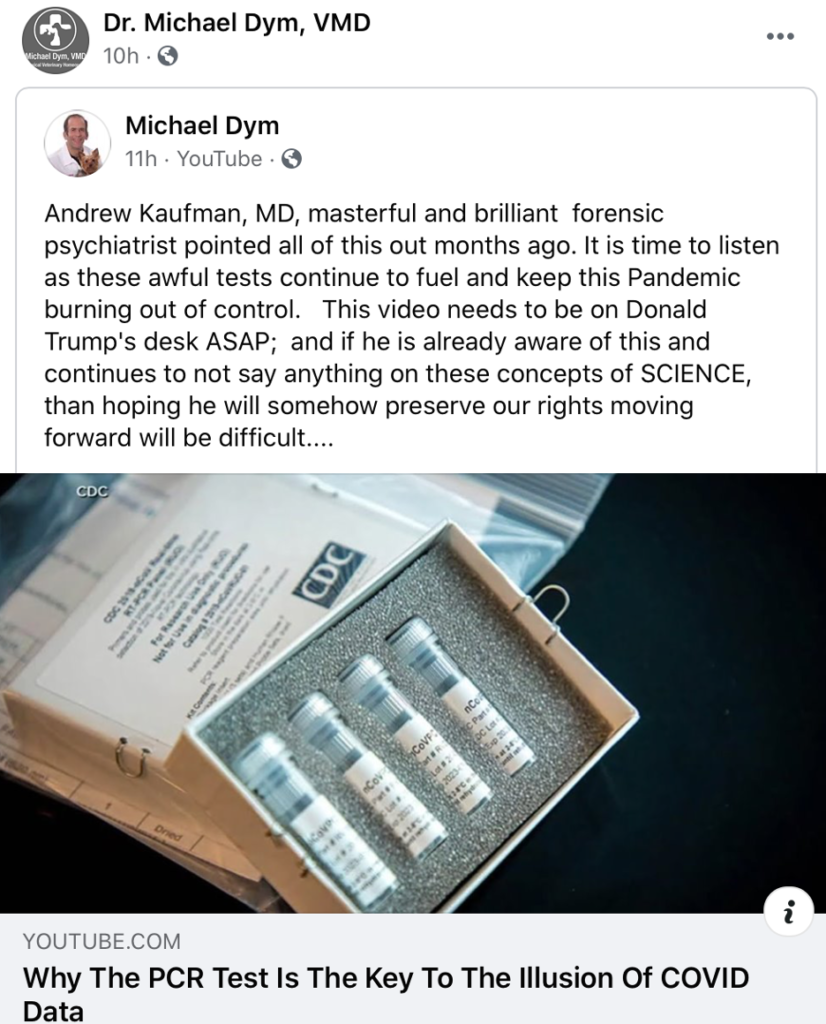
Facemasks are useless or even cause harm to one’s health
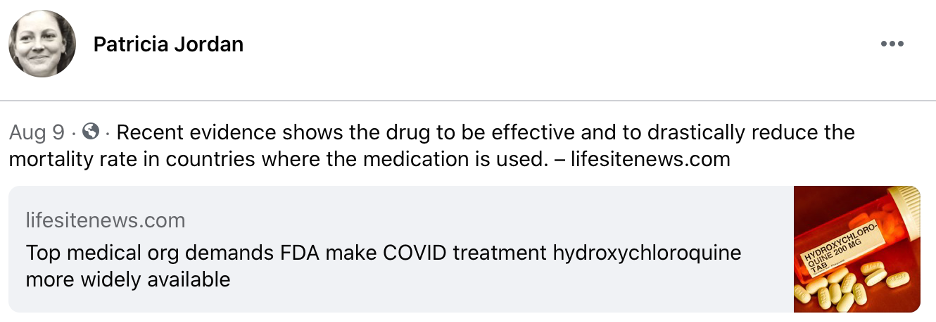
Unproven or disproven treatments can prevent or cure COVID-19, from hydroxychloroquine to oleander extract, homeopathy to herbal remedies
The rejection of the scientific approach to COVID has been so severe that up to 50% of people surveyed in some countries have already decided they will not accept a coronavirus vaccine when one is developed.16–18 Public health officials fighting the pandemic have been threated, and many have had to accept bodyguards or have simply left their jobs.19–21
As members of a scientific profession, veterinarians ought to be somewhat resistant to such anti-scientific views and beliefs. Any sufficiently large group, of course, is bound to have a few outliers—individuals whose commitment to some ideology or belief system another outweighs their scientific training. However, outright anti-scientific views, about COVID-19 and other health issues, should have difficulty taking root in members of a healthcare profession such as ours. Shouldn’t they?
Unfortunately, such views have long been present in veterinary medicine. A small but passionate subset of veterinarians routinely denounce scientific veterinary medicine as worthless or actively harmful and promote alternative approaches for diagnosing and treating disease. (see these articles for all too many examples- 1, 2, 3, 4, 5, 6, 7, 8, 9, 10, 11) These vets not only rely on untested, unproven, or demonstrably useless methods such as homeopathy, energy medicine, esoteric diets, herbal remedies, and many others, but they promote these by claiming the vaccines, medicine, foods, and other interventions developed and supported by scientific research cause disease more than prevent or treat it.22,23
It is easy to dismiss such claims as mere differences of opinion, or to write off such individuals as outliers. They are not numerous, and even most other proponents of the same alternative therapies don’t go so far in rejecting science and scientific approaches. However, these individuals are one end of a continuum of anti-scientific thinking that has led us to the crisis we face today.
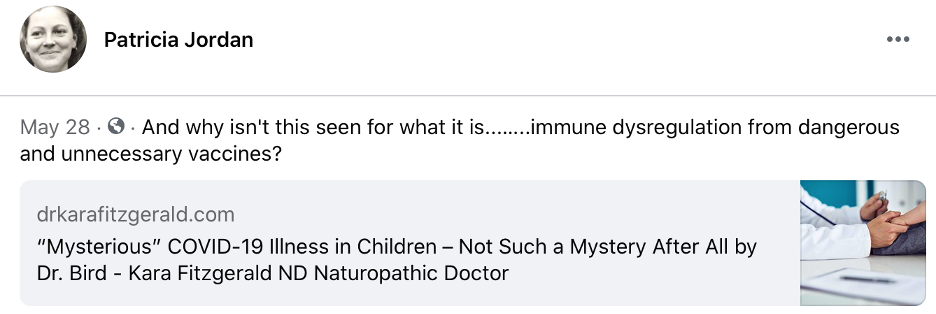
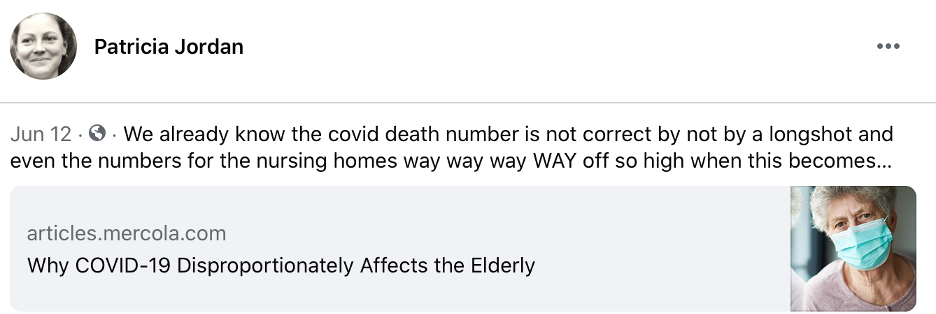
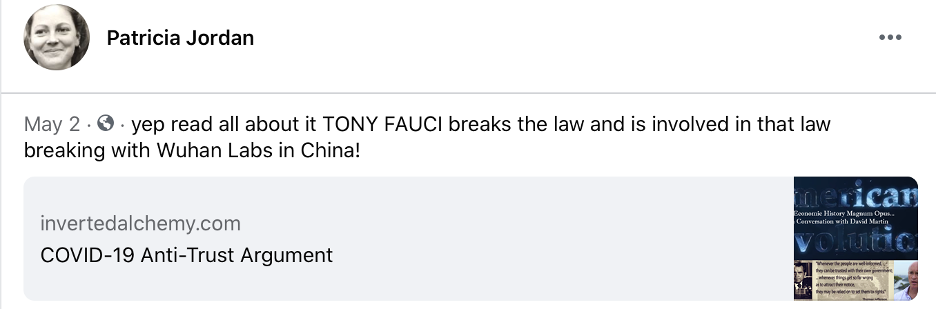
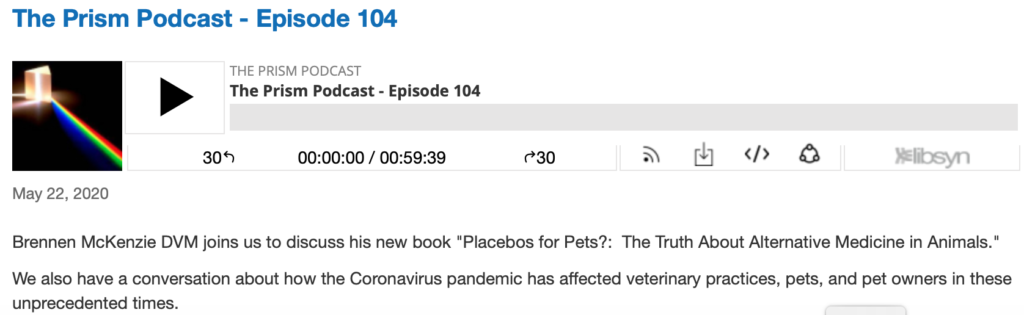
This is illustrated quite clearly in the promotion of myths and misinformation about COVID-19 by some vets. (see the specific examples quoted below) Members of our profession are publicly calling the pandemic a hoax, suggesting that the rates of illness and death are exaggerated, blaming Wi-Fi or Bill Gates for COVID, and denouncing masks or any potential vaccine while promoting unproven or disproven therapies for COVID-19, including homeopathy, ozone, exotic diets, herbal remedies and others.24–32 Nearly all of these individuals have a history of disparaging science-based veterinary medicine and promoting alternative therapies. The association is not accidental but a reflection of a world view that mistrusts and misconstrues science and that privileges personal experience, historical tradition, intuition, and revelation over empirical research as methods for understanding health and disease and the effects of our interventions.
There is room for plenty of difference of opinion in veterinary medicine. The evidence is far from strong enough to define a clear standard of care for most situations. And novel or untested treatments deserve to be carefully and fairly evaluated scientifically. The use of as yet unproven therapies can be completely appropriate and consistent with a science-based perspective when the evidence is incomplete and the need is great enough. Evidence-based medicine can be a pretty big tent.
However, there is real knowledge, actual facts about the disease we treat and the methods we use, and this comes from science. Personal experience and anecdote are useful as generators of hypotheses and to help us when we have no better source of knowledge, but they are deeply unreliable and prone to bias. When there is high-quality scientific evidence available, we must be prepared to abandon beliefs and practices that contradict that evidence. Clinging to our experiences and intuitions and habits in the face of better sources of knowledge is an abdication of our responsibilities as members of a science-based profession.
Promoting pseudoscience and attacking real science is not brave or a sign of independence or critical thinking. It is counterproductive and dangerous, as the current COVID crisis illustrates. Anti-scientific views, such as antivaccine ideology and promotion of disproven or pseudoscientific therapies are not mere curiosities or legitimate differences of opinion–they are a direct attack on the scientific approach, and we are now seeing that this has consequences. As a profession based on science, we have a responsibility to resist the encroachment of such views and adhere to the scientific approach, which has more than proven its value.
In most of these columns, I try to provide practical information and evidence regarding specific tests or treatments. However, I also have the underlying goal of promoting science-based medicine and pushing back against the lowering of standards of evidence and the acceptance of unscientific views and methods. Myths and misinformation about COVID coming from veterinarians who routinely promote these views and methods is a reminder that this work is needed, and that we all have to think critically and carefully about the central role of science in veterinary medicine, now and in more normal times.1
Examples
“While the all cause mortality rate for seniors rose, the normal incidence of child mortality dropped significantly from March 2020 when the lockdown started…’The extreme lockdown response has produced a natural experiment that actually calls into question the very actions—widespread, mandated vaccines for all??that the infectious disease and public health community have been pushing for years.’” Will Falconer, DVM
“COVID-19: pretty sure I had it. It’s why I’ve been self-isolating for the past two weeks… Oh, and I’m fine, thanks to a very common homeopathic remedy.” Will Falconer, DVM
“Masks don’t work, make things worse with hypoxia, requiring them is faciscm [sic] and mind control. Executive orders mandating mask wearing and encouraging governors to do the same!!!??? Hiding behind the “respectful” or “patriotic” thing for all of us to do??!!! I recall Hitler using the “patriotic” argument , regarding his feelings about eradicating certain races of people!!! What is respectful about agreeing to a mandated act of government that many of us on the other side STRONGLY feel, based on the ACTUAL SCIENCE, that there is NO to MINIMAL benefit in wearing masks, and in fact, more and more clinical experience in the human medical and dental specialties are showing THE HARM in such practices, not to mention MANY studies over many decades?? As well as what I have said that we KNOW that Covid 19 genetic material exposure(whether you call it a virus, exosome, or toxin) in those who crash in the emergency rooms is due to HYPOXIA( or low oxygen concentrations at the level of the lung cells where oxygen is exchanged), and which wearing masks for prolonged periods actually promotes and creates those conditions??!!! Children and other sensitive people are collapsing or dropping dead while wearing mandated or recommended masks while exercising??!!! Respect?? Patriotic?? I think not!!!! Because in my opinion, the “respect” of others or “patriotic” thing to do by succumbing to the fear promoting mandate of mask wearing, is only the dress rehearsal, and will only set you all up for the same arguments used when they want to mandate the unproven and likely unsafe vaccines on the way; Horderves before the main course, when the agenda of “To Serve Man” is finally achieved, where then it may be too late. That is clear as day to me. So the heck with using “respect” and “patriotism” as reasons we should ALL be mandated to wear masks outside our homes. It is SO sad to me that 70 percent of this country supports this type of mandate!! But then again, probably that same percentage believes in yearly vaccinations for your animals, year round heartworm medication and/or flea/tick pesticides on your animals, and will be the first in line to desperately roll up their sleeves when the vaccines come marching in. Fear and brainwashing go a long way when effectively utilized!!!!” Michael Dym, DVM
“SO sad that our disconnected society refused to look back at epidemics of the past, including the Spanish Flu of 1918 , and so many other epidemics where homeopathy outshined all of the allopathic interventions of the day. While the Covid-19 mantra now remains: Wear facial coverings/Social Distancing/ Wash hands, with closing prayer: “We are all in this together”… .. Soon to come as the mantra of outpatient medicine of the near future, at your local “Urgent Care” medical center…: Test, Vaccinate if negative, and chip(trace)…. Next in line please!!… Folks, allopathic veterinary high volume or shelter clinics have already been using this same mantra for decades, relative to Feline Leukemia Virus…, Test, Vaccinate If negative, and Microchip.., Next client please!!.. Maybe they have spoken with their cronies over at MARS and Banfield on how this model has paid off wonders. I wouldn’t be surprised..” Michael Dym, DVM
“The coronavirus pandemic is ramping up as more cases are being found every day. Since there is no vaccine to protect us from the disease and no drugs to treat it, conventional medicine is of little help right now. This is a situation for which we need to turn to holistic health concepts like those found in the Edgar Cayce readings. The readings are full of body, mind, and spirit ideas to optimize a person’s health.” Doug Knueven, DVM
Generally speaking, the Cayce readings recommend a diet that consists of 80% “alkaline-forming” foods and 20% “Acid-forming” foods. To aid assimilation food is to be eaten slowly and chewed well. “Bolting” food, or swallowing it by the use of liquids, is said to be a common cause of dis-ease. Equally important as what and how food is eaten is the consumer’s mood while eating. ‘… NEVER, under strain, when very tired, very excited, very mad, should the body take foods in the system …’ The Cayce readings give us sound advice on healthy eating. The closer we can stay to the Cayce nutrition program, the stronger we can keep our bodies.” Doug Knueven, DVM
“When you see the documentary, you’ll see one of our main subtemes of therapy is intravenous Vitamin-C in high doses,” said Dr. Goldstein. “I’ve been using that since the 1970s. It’s so effective against cancer and many other diseases maladies respond to it. The Shanghai Medical Association has released an expert consensus statement on the comprehensive treatment of Covid-19 where they endorse the use of high doses of intravenous Vitamin-C for the illness. Why aren’t we hearing about this in the United States?… I’ve treated tens of thousands of animals with intravenous vitamin C already and it’s finally but too slowly catching on. If I got infected by the Coronavirus, I’d be on intravenous vitamin C in a second. We usually use vitamin C on almost all our patients, so when they do surgery or any kind of procedure, we’ve always put vitamin C in the intravenous bag… The profession of veterinary medicine is subsidized by the drug companies and the food companies, and neither of them really promote health.” Marty Goldstein, DVM
References
1. American Veterinary Medical Association. Veterinarian’s Oath. https://www.avma.org/resources-tools/avma-policies/veterinarians-oath. Published 2010. Accessed August 23, 2020.
2. Federation of Veterinarians of Europe. European Veterinary Code of Conduct. Brussels; 2017. www.quartiergraphique.be. Accessed August 21, 2020.
3. Australian Veterinary Association. Improving animal welfare. https://www.ava.com.au/policy-advocacy/advocacy/improving-animal-welfare/. Published 2020. Accessed August 23, 2020.
4. RCVS Knowledge, Sense About Science. EVIDENCE-BASED VETERINARY MEDICINE MATTERS. London; 2019. https://wordpress-398250-1278369.cloudwaysapps.com/wp-content/uploads/2019/11/Evidence-based-veterinary-medicine-matters.pdf. Accessed August 23, 2020.
5. Wolfe RM, Sharp LK. Anti-vaccinationists past and present. BMJ. 2002;325(7361):430-432. doi:10.1136/BMJ.325.7361.430
6. Larson HJ, de Figueiredo A, Xiahong Z, et al. The State of Vaccine Confidence 2016: Global Insights Through a 67-Country Survey. EBioMedicine. 2016;12:295-301. doi:10.1016/j.ebiom.2016.08.042
7. Hussain A, Ali S, Ahmed M, Hussain S. The Anti-vaccination Movement: A Regression in Modern Medicine. Cureus. 2018;10(7):e2919. doi:10.7759/cureus.2919
8. Lengyel K. Anti-Vaccination Movement Going to the Dogs? Am Vet. August 2017.
9. Clifton J. Stop the Shots!?: Are Vaccinations Killing Our Pets? New York, NY: Foley Square Books; 2007.
10. Kluger J. Some Anti-Vaxxers Aren’t Getting Their Pets Vaccinated. Here’s Why That’s So Dangerous. Time.com. March 2019.
11. Duan N. Inside the World of Pet Anti-Vaxxers. The Awl.com. January 2018.
12. U.S. Food and Drug Administration. Fraudulent Coronavirus Disease 2019 (COVID-19) Products. https://www.fda.gov/consumers/health-fraud-scams/fraudulent-coronavirus-disease-2019-covid-19-products. Published 2020. Accessed August 23, 2020.
13. Ian Freckelton QC. COVID-19: Fear, quackery, false representations and the law. Int J Law Psychiatry. July 2020:101611. doi:10.1016/j.ijlp.2020.101611
14. Wikipedia. List of unproven methods against COVID-19. Wikipedia. https://en.wikipedia.org/wiki/List_of_unproven_methods_against_COVID-19. Published 2020.
15. The Coronavirus Collection: Fact-Checking COVID-19. Snopes.com. https://www.snopes.com/collections/new-coronavirus-collection/. Published 2020. Accessed August 23, 2020.
16. Hern A. Nearly one in six Britons would refuse Covid-19 vaccine – survey. The Guardian. July 6, 2020.
17. Cornwall W. Just 50% of Americans plan to get a COVID-19 vaccine. Here’s how to win over the rest. Science (80- ). June 2020. doi:10.1126/science.abd6018
18. Shannon Mullen O’Keefe. One in Three Americans Would Not Get COVID-19 Vaccine. Gallup. https://news.gallup.com/poll/317018/one-three-americans-not-covid-vaccine.aspx. Published 2020. Accessed August 23, 2020.
19. Jonathan E. Fielding, Public Health Institute. When the truth becomes the threat: Standing in Support of our Public Health Officials. https://www.phi.org/press/when-the-truth-becomes-the-threat-standing-in-support-of-our-public-health-officials/. Published 2020. Accessed August 23, 2020.
20. Mello MM, Greene JA, Sharfstein JM. Attacks on Public Health Officials During COVID-19. JAMA. August 2020. doi:10.1001/jama.2020.14423
21. Susan R. Bailey, American Medical Association. AMA statement on intimidation, threats toward public health officials. AMA Web Site. https://www.ama-assn.org/press-center/ama-statements/ama-statement-intimidation-threats-toward-public-health-officials. Published 2020. Accessed August 23, 2020.
22. SkeptVet.com. CAM Vets Attacking Conventional Veterinary Medicine |. http://skeptvet.com//2013/12/cam-vets-attacking-conventional-veterinary-medicine/. Published 2013. Accessed August 23, 2020.
23. SkeptVet.com. Anti-Medicine Vets: Should Rejection of Scientific Medicine Disqualify One from Practicing as a Licensed Veterinarian? |. http://skeptvet.com/Blog/2016/07/anti-medicine-vets-should-rejection-of-scientific-medicine-disqualify-one-from-practicing-as-a-licensed-veterinarian/. Published 2016. Accessed August 23, 2020.
24. Jordan P. Patricia Jordan Facebook Page. https://www.facebook.com/patricia.jordan.1217
25. Falconer W. Will Falconer Twitter Account. https://twitter.com/homeovet
26. Dym M. Michael Dym Facebook Page. 2020. https://www.facebook.com/michael.dym.9
27. Knueven D. The Coronavirus Pandemic and the Cayce Diet. Edgar Cayce’s A.R.E. https://www.edgarcayce.org/about-us-posts/the-coronavirus-pandemic-and-the-cayce-diet/. Published 2020. Accessed August 23, 2020.
28. Laffly T. It Just Takes Common Sense: Dr. Marty Goldstein on The Dog Doc. 2020. https://www.rogerebert.com/interviews/it-just-takes-common-sense-dr-marty-goldstein-on-the-dog-doc. Accessed August 23, 2020.
29. CBSN New York. Dr. Marty Goldstein On Dogs & Coronavirus. https://newyork.cbslocal.com/2020/03/20/dr-marty-goldstein-dogs-coronavirus-interview/. Published 2020. Accessed August 23, 2020.
30. Falconer W. COVID-19: Remedy of the Pandemic | Vital Animal® § The Natural Path. https://vitalanimal.com/covid-19-remedy-of-the-pandemic/. Published 2020. Accessed August 23, 2020.
31. U.S> Food and Drug Administration. Court Prohibits Dallas Wellness Center from Touting ‘Ozone Therapy’ as COVID-19 Treatment. https://www.fda.gov/inspections-compliance-enforcement-and-criminal-investigations/press-releases/court-prohibits-dallas-wellness-center-touting-ozone-therapy-covid-19-treatment. Published 2020. Accessed August 23, 2020.
32. Gellman K, Roman M. COVID-19 – Main Street Animal Services of Hopkinton. http://www.mashvet.com/covid-19.html. Published 2020. Accessed August 23, 2020.
New Ideas in Science One of the most exciting aspects of science is the discovery and development of new ideas and insights that lead to new ways of understanding and manipulating the natural world. Theories that seem preposterous at first can turn out to revolutionize medicine and other science-based fields.
Sometimes, these theories are greeted with skepticism but eventually prove themselves. The idea that living organisms too small to see exist and can cause disease took centuries to catch on and be empirically validated, but it has led to many of the most dramatic successes in medicine, such as immunization, antibiotics, and doctors washing their hands between patients. The concept that gastric ulcers could be caused by a bacterial infection was greeted with great skepticism in the 1980s, but the first proponents of the idea were awarded the Nobel Prize for their work in 2005.1
Unfortunately, it also happens that some new ideas in medicine are adopted with great enthusiasm and put into practice only to prove dangerously mistaken. The treatment of mental illness by deliberate surgical damage to the frontal lobe (aka lobotomy) also overcame initial skepticism and led to a Nobel Prize. The procedure became common and was performed on tens of thousands of patients. It is now widely recognized as one of the greatest clinical and ethical failures in modern medicine.2
More recently, the idea that many diseases, and even normal aging, were caused by oxidative damage and that antioxidant supplements could prevent disease or retard aging was proposed in the 1990s and initially supported by laboratory and observational studies. To this day, marketing for human and pet foods often includes health claims for “powerful antioxidant” supplements and “superfoods” based on this hypothesis. Sadly, the early promise of this idea has not been fulfilled in real-world studies, which have found few benefits and unexpected dangers in the use of antioxidant supplements.3–11
It is impossible to know in advance which ideas in science will lead to great benefits and which will prove mistaken and lead to equally great harm. Knowing this, a rational strategy would be to approach promising new hypotheses cautiously. A careful, stepwise evaluation from in vitro research through high-quality clinical studies and systematic reviews should be undertaken before we enthusiastically employ new ideas or methods in clinical patients.
Such a cautious approach, unfortunately, often does not suit the human temperament or the psychological and economic incentives to turn hypotheses into therapies and products. In this column, I have written about promising veterinary treatments that have been embraced well in advance of reliable evidence for their benefits, from cannabis12,13 to cold laser14, probiotics15 to electromagnetic field therapies,16 and there are many others. Whether each of these will prove the next antibiotic or the next lobotomy remains to be seen, but the regulatory, economic, and cultural features of veterinary medicine seem to consistently encourage early adoption rather than a cautious, evidence-based approach.
The Microbiome The latest example of a promising idea that is being turned into clinical tests and therapies well before this is justified by scientific evidence is the concept of the microbiome.17,18 The recognition that microorganisms can be beneficial, even necessary for a healthy organism is a legitimately revolutionary and exciting idea. While it is an exaggeration to say we each carry around more microbial than human cells,19,20 there is no doubt we harbor a complex ecosystem of bacterial, viruses, and fungi that influences our health.18
The very complexity of this system is one of the major reasons simplistic concepts of “good bacteria” and “bad bacteria” or of “balancing” the system with diet changes or supplements are unlikely to be fruitful. We have only begun to even identify the myriad organisms humans and our animal companions carry on and within us, and we have little idea what they are up to. Even crude taxonomic assessments of the microbiome reveal tremendous variation with age, geographic population, diet, and innumerable individual factors. We have a lot of work to do just understanding the composition and activity our microbiomes before we can hope to engineer them to prevent or treat disease.
Fecal Microbiome Testing Despite this, there is currently a plethora of products in human and veterinary medicine purporting to do just that. Companies such as Nom Nom Now21 and Animal Biome22 offer fecal microbiome testing for pets to “provide insight into their gut health,”22 “improve your pets’ gut and overall health,”22 and “to provide you with real insights on their unique needs [so] you can have the confidence you’re making the best choices to provide them a happy, healthy life.”21
These companies, not surprisingly, offer supplements, diets, and even fecal microbiome transplantation purportedly guided by the analysis they conduct.
In reality, there is no reliable research evidence showing that these tests provide accurate, actionable information about health or that they can be used to effectively guide dietary or healthcare choices. We lack not only clinical studies validating these specific marketing claims, but even the basic understanding of the determinants of an individual’s microbial ecology and the relationship of this to health and disease.
A few descriptive studies have provided information about the types of bacteria (other microbes are not routinely identified or studied) present in healthy dogs and cats.23 Other studies have compared the microbiota of individuals on different diets (e.g. cooked or raw, hydrolyzed)24–26 or evaluated the bacterial ecology of individuals with specific health conditions (e.g. IBD and acute or chronic diarrhea, obesity, etc.)27–30.
A Canine Dysbiosis Index (DI) has been developed which characterizes differences in fecal microbial organisms between healthy dogs and those with chronic enteropathies.31,32 Though this may eventually be clinically useful, the authors caution, “future studies will need to evaluate the clinical utility of the DI as an assessment tool for microbiota dysbiosis associated with CEs, and the usefulness of tracking microbiota over time and in response to treatment…microbiota is just one of several factors in the pathogenesis of the disease [and there is] overlap in the DI seen between healthy and diseased dogs.”31
These are all important preliminary steps towards a comprehensive and useful understanding of the microbiome, but they do not validate the claims often made for commercial fecal microbiome testing or treatment recommendations based on these tests.
The available research into the human microbiome is much more extensive than what is available for veterinary species. Here is what reviews of that evidence conclude:
The functionality of these microbial communities cannot be easily reduced to a simple summation of potential beneficial and harmful activities…While the premise behind individual microbiome testing is to inform personalized diagnosis and therapies, the current body of knowledge is not sufficient to allow for meaningful diagnoses…irrespective of what a company puts in their marketing material.33
“We are at the very beginning of understanding what one’s microbiome profile means for their susceptibility to or progression of disease…There are far more unknowns than knowns regarding the role of the microbiome and human health.”33
“Mechanistic links of specific changes in gut microbiome structure with function or markers of human health are not yet established; it is not established if dysbiosis is a cause, consequence, or both of changes in human gut epithelial function and disease.”34
Caveat Emptor While enthusiasm for new discoveries and hypotheses is a necessary part of scientific progress, the premature application of these to clinical patients can be harmful. Treatments based on fecal microbiome testing cannot be reliable when testing methods have not be validated and standardized and the clinical research showing clinical utility hasn’t yet been done. Rolling the dice on promising but unproven new ideas sometimes work out well, but the odds are greater that we will fail to help or even harm our patients if we take shortcuts in the scientific road to understanding.
References
1. Marshall B. A Brief History of the Discovery of Helicobacter pylori. In: Suzuki H, Warren R, Marshall B, eds. A Brief History of the Discovery of Helicobacter Pylori. Tokyo: Springer; 2016.
2. Gallen M. A brief reflection on the not-so-brief history of the lobotomy | British Columbia Medical Journal. BC Med J. 2017;59(6):302-304. https://www.bcmj.org/mds-be/brief-reflection-not-so-brief-history-lobotomy. Accessed February 17, 2020.
3. Yee C, Yang W, Hekimi S. The intrinsic apoptosis pathway mediates the pro-longevity response to mitochondrial ROS in C. elegans. Cell. 2014;157(4):897-909. doi:10.1016/j.cell.2014.02.055
4. Pizzino G, Irrera N, Cucinotta M, et al. Oxidative Stress: Harms and Benefits for Human Health. Oxid Med Cell Longev. 2017;2017:8416763. doi:10.1155/2017/8416763
5. Schürks M, Glynn RJ, Rist PM, Tzourio C, Kurth T. Effects of vitamin E on stroke subtypes: meta-analysis of randomised controlled trials. BMJ. 2010;341:c5702. doi:10.1136/BMJ.C5702
6. Moyer MW. The Myth of Antioxidants. Sci Am. 2013;308(2):62-67. doi:10.1038/scientificamerican0213-62
7. Pham-Huy LA, He H, Pham-Huy C. Free radicals, antioxidants in disease and health. Int J Biomed Sci. 2008;4(2):89-96. http://www.ncbi.nlm.nih.gov/pubmed/23675073. Accessed December 11, 2018.
8. Bjelakovic G, Nikolova D, Gluud LL, Simonetti RG, Gluud C. Mortality in Randomized Trials of Antioxidant Supplements for Primary and Secondary Prevention. JAMA. 2007;297(8):842. doi:10.1001/jama.297.8.842
9. Bjelakovic G, Nikolova D, Gluud C. Antioxidant supplements and mortality. Curr Opin Clin Nutr Metab Care. 2013;17(1):1. doi:10.1097/MCO.0000000000000009
10. Bjelakovic G, Nikolova D, Gluud LL, Simonetti RG, Gluud C. Antioxidant supplements for prevention of mortality in healthy participants and patients with various diseases. In: Bjelakovic G, ed. Cochrane Database of Systematic Reviews. Chichester, UK: John Wiley & Sons, Ltd; 2008:CD007176. doi:10.1002/14651858.CD007176
11. Paulsen G, Cumming KT, Holden G, et al. Vitamin C and E supplementation hampers cellular adaptation to endurance training in humans: a double-blind, randomised, controlled trial. J Physiol. 2014;592(8):1887-1901. doi:10.1113/jphysiol.2013.267419
12. McKenzie BA. Cannabis-based remebdies: No reliable clinical research evidence. Vet Pract News. August 2017:38.
13. McKenzie B. A conclusion on cannabis? Vet Pract News. July 2019:26-27.
14. McKenzie BA. Uses, Evidence, and Safety of Laser Therapy. Vet Pract News. August 2018:32-33.
15. McKenzie BA. Probiotics and today’s pets. Vet Pract News. January 2018:30-31.
16. McKenzie B. Do pulsed electromagnetic field devices offer any benefit? Vet Pract News. January 2020:30-31.
17. Allaband C, McDonald D, Vázquez-Baeza Y, et al. Microbiome 101: Studying, Analyzing, and Interpreting Gut Microbiome Data for Clinicians. Clin Gastroenterol Hepatol. 2019;17(2):218-230. doi:10.1016/j.cgh.2018.09.017
18. Knight R, Callewaert C, Marotz C, et al. The Microbiome and Human Biology. Annu Rev Genomics Hum Genet. 2017;18:65-86. doi:10.1146/annurev-genom-083115-022438
19. Sender R, Fuchs S, Milo R. Are We Really Vastly Outnumbered? Revisiting the Ratio of Bacterial to Host Cells in Humans. Cell. 2016;164(3):337-340. doi:10.1016/j.cell.2016.01.013
20. Sender R, Fuchs S, Milo R. Revised Estimates for the Number of Human and Bacteria Cells in the Body. PLOS Biol. 2016;14(8):e1002533. doi:10.1371/journal.pbio.1002533
21. NomNomNow Microbiome – Everybody poops. https://www.nomnomnow.com/site/products/microbiome/. Published 2018. Accessed February 17, 2020.
22. Microbiome Products Restore Pet Gut Health | AnimalBiome. https://www.animalbiome.com/how-it-works. Published 2019. Accessed February 17, 2020.
23. Deng P, Swanson KS. Gut microbiota of humans, dogs and cats: current knowledge and future opportunities and challenges. Br J Nutr. 2015;113 Suppl:S6-17. doi:10.1017/S0007114514002943
24. JS S, E O, JB H, et al. Effects of a hydrolyzed protein diet and metronidazole on the fecal microbiome and metabolome in healthy dogs. J Vet Intern Med. 2016;30(4):1455.
25. Schmidt M, Unterer S, Suchodolski JS, et al. The fecal microbiome and metabolome differs between dogs fed Bones and Raw Food (BARF) diets and dogs fed commercial diets. Loor JJ, ed. PLoS One. 2018;13(8):e0201279. doi:10.1371/journal.pone.0201279
26. Sandri M, Dal Monego S, Conte G, Sgorlon S, Stefanon B. Raw meat based diet influences faecal microbiome and end products of fermentation in healthy dogs. BMC Vet Res. 2016;13(1):65. doi:10.1186/s12917-017-0981-z
27. Handl S, German AJ, Holden SL, et al. Faecal microbiota in lean and obese dogs. FEMS Microbiol Ecol. 2013;84(2):332-343. doi:10.1111/1574-6941.12067
28. Minamoto Y, Otoni CC, Steelman SM, et al. Alteration of the fecal microbiota and serum metabolite profiles in dogs with idiopathic inflammatory bowel disease. Gut Microbes. 2015;6(1):33-47. doi:10.1080/19490976.2014.997612
29. Kalenyak K, Isaiah A, Heilmann RM, Suchodolski JS, Burgener IA. Comparison of the intestinal mucosal microbiota in dogs diagnosed with idiopathic inflammatory bowel disease and dogs with food-responsive diarrhea before and after treatment. FEMS Microbiol Ecol. 2018;94(2). doi:10.1093/femsec/fix173
30. Suchodolski JS, Markel ME, Garcia-Mazcorro JF, et al. The fecal microbiome in dogs with acute diarrhea and idiopathic inflammatory bowel disease. PLoS One. 2012;7(12):e51907. doi:10.1371/journal.pone.0051907
31. AlShawaqfeh MK, Wajid B, Minamoto Y, et al. A dysbiosis index to assess microbial changes in fecal samples of dogs with chronic inflammatory enteropathy. FEMS Microbiol Ecol. 2017;93(11). doi:10.1093/femsec/fix136
32. Suchodolski JS. Diagnosis and interpretation of intestinal dysbiosis in dogs and cats. Vet J. 2016;215:30-37. doi:10.1016/J.TVJL.2016.04.011
33. Staley C, Kaiser T, Khoruts A. Clinician Guide to Microbiome Testing. Dig Dis Sci. 2018;63(12):3167-3177. doi:10.1007/s10620-018-5299-6
34. McBurney MI, Davis C, Fraser CM, et al. Establishing What Constitutes a Healthy Human Gut Microbiome: State of the Science, Regulatory Considerations, and Future Directions. J Nutr. 2019;149(11):1882-1895. doi:10.1093/jn/nxz154
I have been trying to keep up with the clinical trial literature evaluating cannabis (primarily CBD) in veterinary patients. There is a lot of research happening right now, so it is challenging to keep current even on this limited subset of studies, but fortunately I know some folks who are much more involved with CBD research and can pass along new evidence as it gets published. So far, clinical trials show promising results for treatment of arthritis pain in dogs and not so promising results in one study evaluating CBD for treatment of canine epilepsy. Another small study looking at treatment of arthritis in dogs (along with some lab animal and human effects) has recently been published which strengthens the case for use of CBD in these patients.
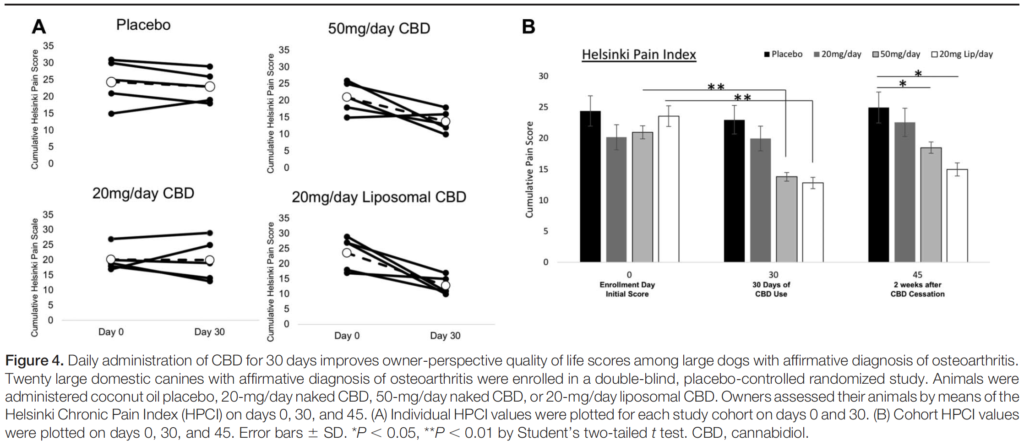
This study included a relatively small number of dogs (20) divided into 4 groups: placebo, two different doses of plain CBD, and a type of CBD packaged chemically into little globules called liposomes, which can influence how some drugs are absorbed and distributed in the body. The study used subjective assessment of arthritis symptoms by both veterinarians and owners, and both groups were blinded to the treatment each dog received.
The study found statistically significant, and potentially clinically meaningful improvements in most measures for the high-dose and liposomal CBD and no improvement for the low-dose CBD or placebo. The lack of a placebo effect is always a bit of a concern since such an effect is usually seen in pain studies in dogs, and the absence of a caregiver placebo can be a sign of a methodological problem in a study. However, the apparent dose-response, with greater improvement seen at higher dose, is a good sign since this is commonly seen with most pharmaceutical effects. There were no signs of adverse effects or abnormal changes in blood tests.
The non-clinical measures in mice also showed some changes in modulators of inflammation which support a plausible mechanism for clinical effects, a necessary step in building an overall picture of the value of any drug therapy.
While this is a small study, and no single trial is sufficient to make a definitive judgment, this is good quality evidence which is consistent with other existing studies, and it strengthens the case for CBD as a potential treatment in dogs with arthritis. All of the usual caveats apply- this doesn’t support any of the hundreds of other claims for CBD; many over-the-counter CBD products have uncertain ingredients and poor quality control, so even if CBD has real benefits they may not be seen with poorly regulated products; there is stronger evidence for the benefits and potential risks of NSAIDs, and these are still a first-line treatment for arthritis in appropriate cases, along with weight management and other existing strategies. On the whole, though, the evidence is getting better and better, and the value of CBD for dogs with arthritis seems likely to be quite high.
One of the most popular subjects for discussion and debate in pet health for many years now has been the relative merits of commercial pet foods and unconventional diets of various types, including homemade cooked and raw diets, commercial raw diets, vegetarian diets, etc. Some pet owners and veterinarians have concerns about the safety and health effects of commercial diets, though only some of these concerns have any real evidence to support them, and most of the negative claims about commercial pet food are unsupported or simply inaccurate.
Most veterinarians are more concerned about the safety and nutritional adequacy of unconventional diets. Homemade cooked diets have been repeatedly shown to be unbalanced and nutritionally incomplete if not formulated by veterinary nutrition specialists. Diets incorporating raw meat, both commercial and homemade, present a serious risk of food-borne infectious disease to pets and humans (1, 2, 3, 4, 5, 6). Vegetarian diets may be adequate for dogs if carefully formulated, but they are likely unsafe for cats, and there are no demonstrated benefits for either species.
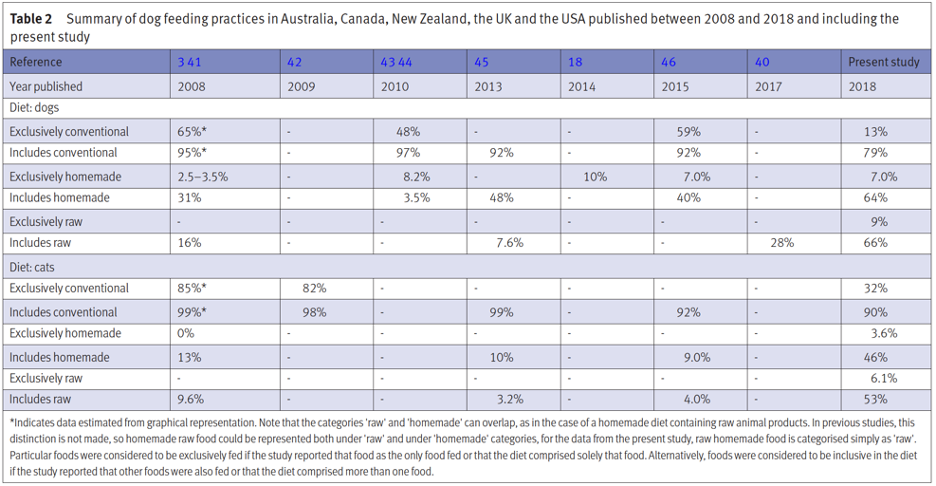
Subjectively, there seems to have been an increase in pet owners’ interest in and use of unconventional diets n the two decades I have been in practice. While most do still feed at least some commercial cooked foods, many are experimenting with homemade or raw diets despite the risks and lack of evidence for any benefits. A new study has tried to assess how popular such diets really are and how this has changed over time.
Dodd, S., Cave, N., Abood, S., Shoveller, A., Adolphe, J., Verbrugghe, A.
(2020) An observational study of pet feeding practices and how these have changed between 2008 and 2018 Veterinary Record Published Online First: 18 June 2020. doi:10.1136/vr.105828
The authors began by reviewing the literature for previous studies that investigated pet owners’ feeding practices. They then conducted an online survey asking pet owners about their use of conventional, homemade, and raw diets. The results suggest that while most people still use conventional and cooked diets, the inclusion of raw and unconventional diets is increasing. There also appear to be some regional differences in feeding practices. The table below summarizes the comparison of the current study with past reports.
Overall, the results suggest that most pet owners feed some conventional commercial food to their pets. However, it also appears that a higher percentage of owners include homemade cooked or raw foods as some or all of the diet for their animals. Well over half of the respondents indicated they feed at least some raw animal products, and in some locations (e.g. Australia) this appears to be even more common.
There are, of course, significant limitations to this study. The data was collected by an online survey shared on social media. This obviously represents a subset of the pet owning population, and it is particularly easy for passionate advocates of one extreme or uncommon type of diet or another to promote the survey and create the false impression that their views are more widespread or popular than they really are. Advocates of unconventional diets or medical approaches always seek to gain legitimacy by exaggerating the popularity of their views (despite the fact that popularity isn’t a measure of truth or scientific merit anyway).
However, it is worth considering that this study might reflect at least some real growth in the popularity of unconventional diets, including raw foods. This possibility has to be taken seriously given that such diets, and the unscientific reasoning or distrust of mainstream scientific evidence and opinion that often lies behind them, represent a real threat to animal health. In the absence of any reliable evidence for health benefits from such diets, the risks are clearly not worth taking, and any evidence that this message is not being heard or understood by pet owners should motivate veterinarians and proponents of science-based nutrition to work harder at educating the public about the risks and benefits of various feeding options.
The subject of vaccination is one of the most common, and sadly most controversial topics I address on this blog. As I have said many times, vaccines have both risks and benefits, and the balance between these must be assessed in the context of the risk of specific diseases, the scientific evidence concerning specific vaccines, and the health and needs of individual patients. The available evidence is overwhelming that vaccines do far more good than harm for most pets, and following the most recent, evidence-based guidelines is almost always the right choice for most pets.
However, fears of vaccines that are out of proportion to the real risks are widespread, and unfortunately there are some veterinarians who encourage such fears. These doctors rely mostly on anecdote to support their anti-vaccine claims, but some do cite scientific evidence (accurately or, more often, inaccurately) to make their case. Some critics of standard vaccine practices even attempt to produce their own research evidence to support their approach. This research frequently has flaws or limitations which make it not particularly reliable or illuminating.
One example I have discussed in the past is a study by Dr. Jean Dodds, a noted proponent of various kinds of pseudoscience, from raw diets to unreliable lab tests. She published a study challenging common vaccine practice in 2016 in the Journal of the American Holistic Veterinary Medicine Association (JAHVMA), a niche journal dedicated to pseudoscience. This study purported to show that small dogs could be fully immunized, and would have fewer adverse effects from vaccines, if given half of the usual 1mL quantity of most vaccines. In reality, the study was of such poor quality that it showed nothing of the kind and really provided no useful information, merely the illusion of evidence to support Dr. Dodds’ personal beliefs.
Dr. Dodds has now published another vaccine study, in concert with a couple of academic vaccine researchers and a lay person who advocates for limiting vaccination because she believes her personal dog developed cancer because of a vaccine. This study has received a lot of press coverage, associated largely with efforts to raise money to fund it and with advocacy efforts to restrict rabies vaccination. It has been in progress since 2008, and the results have been eagerly awaited not only by vaccine critics but by vaccination proponents such as myself hoping for some useful evidence to help guide our rabies vaccine practices. Unfortunately, once again the study has limitations that render the results of very little use.
Dodds WJ, Larson LJ, Christine KL, Schultz RD. Duration of immunity after rabies vaccination in dogs: The Rabies Challenge Fund research study. Can J Vet Res. 2020;84(2):153-158.
The stated purpose of this study was to demonstrate that the duration of protection from rabies vaccination is far longer than the three years most vaccines are proven to be effective and to provide support for changing legal rabies vaccination requirements and common veterinary practices. While there are potential risks to rabies vaccination, as for all effective medical therapies, these are rarely common or serious, and there is yet no real evidence that extending the interval beyond three years will reduce the risks meaningfully without also increasing the risk of rabies for some dogs.
Nevertheless, it is always useful to get additional high-quality research evidence to help guide clinical practice, so this study could have been useful. From a logistical and ethical perspective, studies looking at the effectiveness of rabies vaccine are difficult because you have to expose some dogs to certain death and others to the risk of death from this fatal disease in order to test the protection offered by vaccines. That was done in this study, but it ended up adding only very little useful information to discussions of rabies vaccination practices.
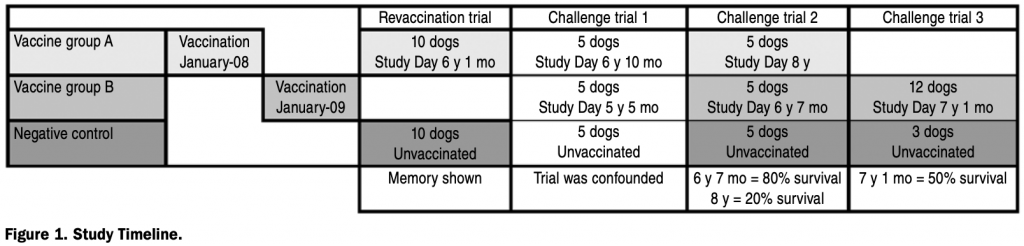
The study initially included 100 dogs, a huge number by veterinary standards. However, 35 of the dogs were not used at all, and only 35 were part of the challenge study directly testing the duration of protection provided by rabies vaccination. These were divided into several groups given different vaccines and tested for protection at different times.
Vaccine A This was killed, adjuvanted vaccine of the type commonly used for dogs (though the specific vaccine is no longer manufactured). Dogs were vaccinated at 12 weeks of age and again at 15 weeks of age. This is not a standard or recommended protocol used commonly in practice. Most dogs are vaccinated once at 12-16 weeks of age and then given a booster one year later, so this does not really reflect common practice. Presumably this was done because the dogs needed two vaccinations to be fully immunized, and the authors did not want to wait 1 year to give the booster and then have the challenge stage of the trial delayed by that year.
At 6 years and 10 months after the initial vaccination, the vaccinated dogs were exposed to rabies, as were 5 unvaccinated dogs in the control group. The USDA standard for proving a rabies vaccine good enough for use is that it must porrect at least 88% of vaccinated dogs. In this trial, all 5 dogs survived the challenge. However, only 2/5 control dogs developed rabies, showing that the virus used for the test was not sufficiently active (natural rabies infection kills 100% of infected animals). Therefore, these results can’t tell us if the test dogs were truly protected at this time point.
At 8 years after final vaccination, another challenge was done with 5 vaccinated and 5 unvaccinated dogs. This time, all of the unvaccinated dogs died, showing the test virus was active. However, all but one (4/5 or 80%) of the vaccinated dogs also died, so at this time the vaccinated dogs were no longer adequately protected.
The investigators also looked at whether or not vaccinated dogs could generate an appropriate antibody response to a booster vaccine given 6 years and 1 month after initial vaccination. None of the dogs had an antibody titer considered protective at this time (and neither did the unvaccinated dogs, of course). A booster of the same type of vaccine generated a protective antibody level by 14 days after the booster I 90% of the vaccinated dogs (and 30% of the unvaccinated controls). The authors also gave some dogs a booster using a recombinant rabies vaccine made for cats, and though this would not be done in actual practice, this also generated a protective antibody response in most dogs.
Vaccine B The authors also vaccinated several groups of dogs with another rabies vaccines, this one marketed as not containing the preservative thimerosol. This reflects Dr. Dodds antivaccine biases, since vaccine opponents often claim that thimerosol is a dangerous toxin despite the fact that it has been used extensively and shown to be safe in humans and animals for decades. This vaccine is not widely used, though apart from the missing preservative it is equivalent to common rabies vaccines.
Of the dogs vaccinated at 12 weeks and again at 15 weeks with Vaccine B, 5 were included in the initial challenge study at 5 years in which all vaccinated dogs survived but so did 60% of the unvaccinated dogs. Another 5 from this group were challenged at 6 years and 7 months after final vaccination, of which 4/5 (80%) survived. Another 12 of these dogs were challenged with rabies at 7 years and 1 month, of which 6/12 (50%) survived.
What Does It All Mean? Unfortunately, the answer is, “Not much.” The study used two rabies vaccines that are not in common use and an initial vaccination protocol that differs significantly from standard practice, so it’s not the best model for studying how rabies vaccination usually works. The numbers in each challenge group were quite small, and the death or survival of a single animal could drastically change the apparent percentage surviving or dying the challenge, so any broad generalization about the dog population in general would be unsupportable.
The first challenge studies at about 5 and 6 years can’t be interpreted since most of the unvaccinated dogs survived the virus challenge. Even though all of the vaccinated dogs lived, this doesn’t prove that we should be given rabies vaccines every 5 or 6 years instead of every 3 years. This might be an effective interval for many dogs, and there are some other sources of evidence that suggest rabies vaccine protection might often last longer than 3 years, but we still can’t say this with any confidence. Given the very severe consequences of being wrong, namely the death of many dogs and potentially of people exposed by these dogs, and the lack of evidence that extending the interval by a few years would have any meaningful benefits, this portion of the study doesn’t really provide a reason to change current recommendations.
Of the dogs challenged at about 6 ½ years, 20 percent of them died, which is more than the allowable 10-12% under the USDA guidelines, and certainly more than we should thjnk of as acceptable. In this study, that 20% was only 1/5 dogs, but in a population of millions of pet dogs vaccinated every year, that could represent a huge risk to both our pets and the human population.
This is reinforced by the portion of the study looking at antibody titers, since none of the 10 dogs tested 6 years after vaccination had a titer above the established protective level. This suggests we would be wise not to wait as long as 6 years before given rabies boosters to our dogs. Similarly, of the dogs challenged at 7 years, 50% died, so we certainly shouldn’t think of this as an acceptable interval between vaccinations.
All in all, this study undermines the claims some vaccine critics make that a single rabies vaccination is all dogs should ever need. In fact, it reinforces concerns that extending the interval between vaccines will put more dogs at risk from rabies and do more harm than good. Even if 4-5 years between boosters is as effective as 3 years, it is very unlikely this change would have any significant benefits given that the risks of rabies vaccination is very low, and considerably less than most vaccine critics suggest. An interval of 6 years or more looks very likely to increase the risk of rabies significantly based on this study.
Some vaccination critics are already suggesting that even though this study didn’t turn out the way they wanted, it still supports their general argument that we should vaccine less often than 3 years and use titers instead of vaccination. However, in the published study the authors are careful to point out that the results do not establish that a given titer level is sufficient to prove a dog is protected nor that any specific interval beyond 3 years is safe, even though they still believe this is true.
Even though I believe the risks of current rabies vaccination practices are often exaggerated, I am disappointed that the time and effort put into this study, and the dogs sacrificed as part of it, did not provide useful evidence to clarify the overall duration of immunity provided by standard vaccination practices. I also hope the authors will be vigorous in challenging the use of their work to argue for changes in rabies vaccine laws or common practice since the data do not support such changes even if the authors personally believe they are warranted.
The subject of raw diets is a constant and controversial one in veterinary medicine. The controversy stems mostly from the fact that some people are passionately committed to the idea that raw diets have health benefits, but there is no scientific evidence to support this and plenty of evidence showing uncooked food increases the risk of parasitic and infectious disease.
Just this week, there was another series of cases in which people suffered serious foodborne illness due to contact with raw pet food. This is a frequent phenomenon, and there have been many studies in the last 10 years showing raw diets present real health risks to people and pets. There is no comparable body of evidence showing any health benefits. There are, however, a few studies like this that would claim to do so:
This study comes from the DogRisk group, which I have written about previously-
This is a group of veterinarians and nutrition researchers led by Dr. Hielm-Bjorkman, a faculty member at the University of Helsinki. The organization is independent of the university, and it appears to focus on generating evidence to support raw diets, supplements, and a few other alternative health practices (such as acupuncture). The team is composed mostly of academic researchers, both vets and PhDs, working on issues of animal nutrition. Individually, they have legitimate credentials and research topics, but as a group they seem pretty dedicated to proving a set of pre-existing beliefs about raw diets rather than investigating the subject impartially.
This paper appears to fit into the group’s campaign to validate their pre-existing beliefs about raw diets. The stated goal was to evaluate potential causal factors associated with the presence of allergies in dogs, including the diet of dogs with or without allergies and the diet of the mothers of these dogs. The data come from an online survey of owners, and it is currently only available in Finnish, confining the study to a narrowly limited population not representative of pets or pet owners in other places.
Such online owner surveys are deeply unreliable. The diagnosis of allergies and the details of diet history are based entirely on the recollections and reports of pet owners, most of whom have establishes beliefs about pet health and nutrition and little or no scientific training in these subjects. Many such studies, in human and veterinary medicine, have shown that such information is often biased and not consistent with findings in more controlled research. The authors of this study actually report that almost 13% of the responses had to be discarded because they appeared to be “robot answers,” though it isn’t clear how this was determined. Clearly, this is a dubious source of data to begin with.
The authors compound the problem of reliability by imposing their own arbitrary and biased definitions on the variable they claim to be examining. They divided diet into two extreme categories: 1. A non-processed meat-based diet (NPMD) and 2. An ultra-processed carbohydrate based diet (UPCD). These are artificial categories that reflect the ideological bias of the researchers, not the reality of the kinds of foods dogs are actually fed.
“Non-processed” is meaningless unless the dogs are basically eating whole prey and plants, which it is highly unlikely many of them are doing. The term “ultra-processed” is also a value judgment that implies a negative health impact that has not actually been shown to exist in pet foods. And commercial kibble, which is likely what the authors are referring to here, is not accurately described as “carbohydrate-based.” The carbohydrate content of commercial dry diets varies dramatically, as does the type of carbohydrate (from simple sugars to complex fibers). The nutritional value and potential health effects of commercial diets will also vary greatly based on these differences, and lumping them all together in this artificial category is not a legitimate scientific research approach; it is simply a way of stacking the deck in favor of the result the authors want to get.
The authors claim they are using a validated system of nutritional categories from human nutrition science, known as the NOVA Classification. This system, however, is not meant to apply to pet foods, and the definitions of “processed” used in the system have no relationship to how pet food is prepared. Here’s what the WHO says about the NOVA classification:
A number of commonly consumed processed foods and drinks [are] certainly or probably implicated in obesity and various chronic non-communicable diseases. These include energy- dense food products, “fast foods”, “convenience foods”, soft drinks, sugary drinks, various refined starchy foods, processed meat and salt-preserved foods. [note, none of these categories is relevant to properly formulated commercial pet diets]
Food processing in itself is not the issue. One obvious reason is that nowadays, practically all food is processed in some sense and in some way. The term ‘processing’ (like the term ‘industry’) is very general and therefore not helpful, and so judgements of foods simply because they are ‘processed’ are not meaningful. Food scientists and technologists and food manufacturers are right to emphasize the benefits of originally ancient and also relatively novel processes such as drying, non-alcoholic fermentation, chilling and freezing, pasteurization, and vacuum-packing.
Confusing commercial pet diets with human convenience and snack foods because they are both produced by large industries and come in packages is misleading. The intent and formulation methods are vastly different, and the superficial similarities are not a legitimate foundation for assuming they have the same health impacts.
The NOVA classification also makes no reference to raw or uncooked meat and, in fact, states that, “These methods and processes are designed to preserve natural foods, to make them suitable for storage, or else to make them safe or edible or more pleasant to consume. Many unprocessed or minimally processed foods are prepared and cooked.”
Beginning this study with a distorted misinterpretation of terminology not intended to apply to commercial pet diets is a reflection of the underlying intent and bias behind the research. Other evidence of the authors pre-existing convictions come in the form of discussions of the “natural” diet of dogs as “carnivores” (myths used to promote raw diets which I have addressed before) and irrelevant reference to celiac disease in humans as a way to imply grains are unhealthy for dogs.
There is no apparent attempt to control for these biases in the methodology. The researchers designed the survey, defined the variables of interest, and had total freedom to create and conduct the regression analysis as they chose. It is well-established that such a lack of methodological control for bias leads to research which reflects the beliefs of the researchers more than the underlying reality of nature.
This study was also funded in part by a company selling raw dog food. Funding bias is a known problem in medical studies, and while it is not an excuse for ignoring or dismissing research out of hand, it does require methods built into the study design to limit the impact of funding source on results, which were quite limited in this study. It is also common for proponents of raw diets to claim most veterinary nutrition research is useless because it is funded by pet food companies. It will be interesting to see if this community is consistent in ignoring this paper, which supports their belief, or if they prove interested in funding bias only when it helps dismiss research they don’t agree with.
Bottom Line This study is a great illustration of ideologically motivated research. A group of scientists committed to a pre-existing belief design and conduct a study tailor-made to provide evidence supporting that belief. The authors do acknowledge some limitations to their project, but they consider them minor and accounted for, and they ignore some of the most significant problems I have mentioned here.
This study fits into a series of efforts by this same research group to validate their belief in the benefits of raw diets, and unfortunately it doesn’t contribute much to actually understanding the pros and cons of raw foods for pets because it doesn’t contain much objective, reliable evidence. It will undoubtedly be useful as marketing r propaganda for proponents of raw diets, and much like research studies done on homeopathy, it confuses rather than clarifies the issue.
This post is a bit outside the usual topics I discuss on this blog, and I have no doubt I will get angry responses and admonitions to “stay in my lane.” But at a time when America is, once again, being forced to confront our long-standing failure to deal effectively with racial inequities built into our society and institutions, I feel an obligation to address the reality that veterinary medicine is very much a part of this problem.
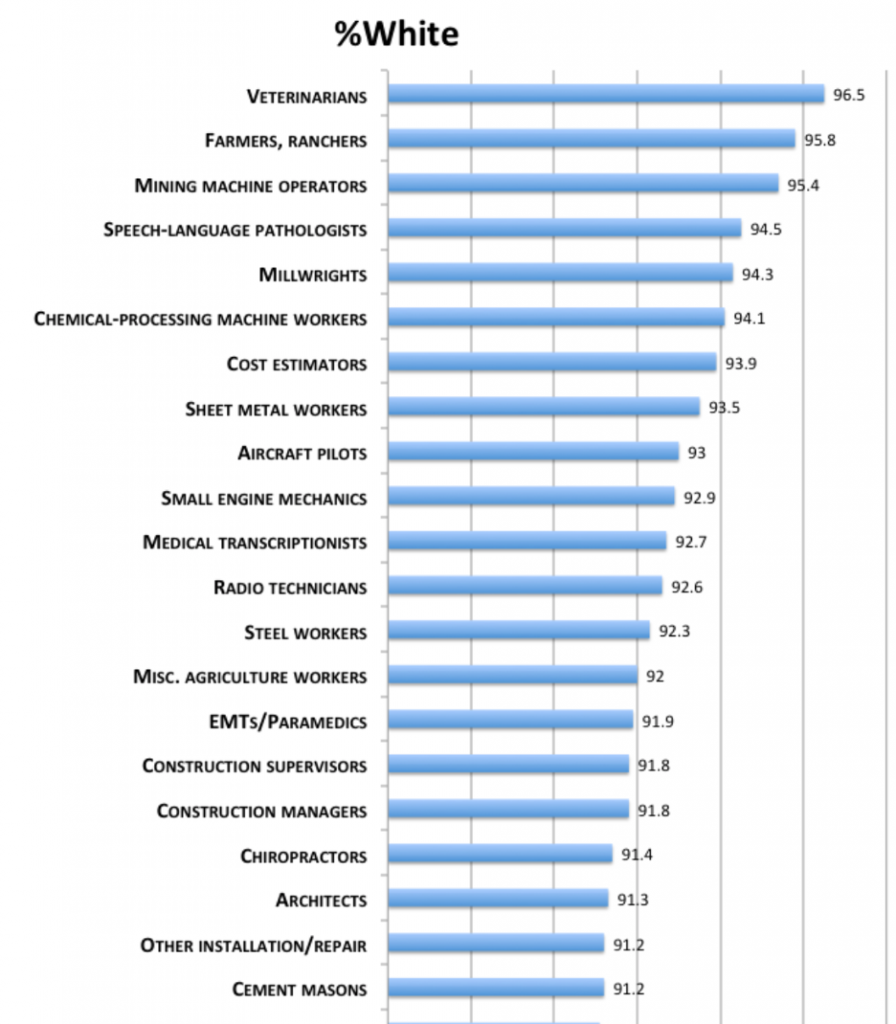
The facts are relatively straightforward: Over 95% of veterinarians are white in a country where about 80% of the workforce is white. Imagining this is an accident rather than the result of systemic racism is naive or disingenuous. Acknowledging an injustice is critical to rectifying it, and we cannot shy away from clearly and directly describing an unjust reality if we seriously hope to change it. Veterinary medicine is quite possibly the whitest profession in America, and this is like any problem in that we won’t be able to fix it if we don’t acknowledge it.
A common first reaction when a group of mostly white people is asked to consider the issue of racism within their community is defensiveness. There is a misconception that racism is limited to explicitly bigoted and discriminatory behavior by individuals who openly dislike people of color, and since few of us fit that caricature, it is easy to dismiss our own role in perpetuating racial inequities. However, racism is typically more insidious and systemic than this. It is not a problem of a few “bad apples” but a feature of how the barrel is built and maintained.
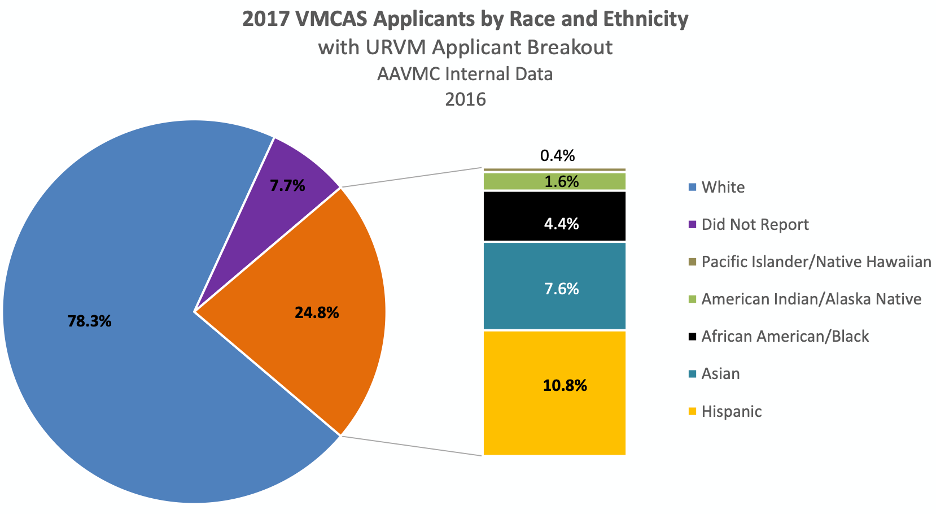
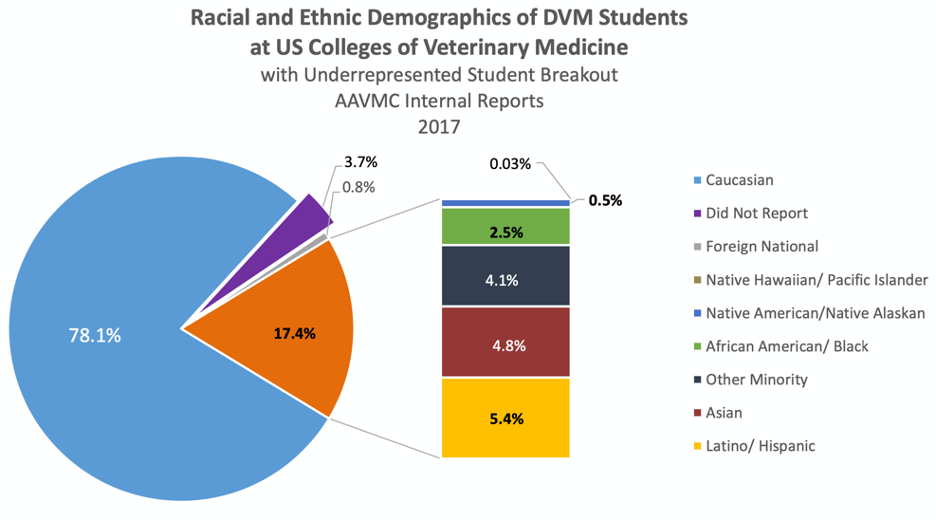
As an example, AAVMC data shows that the proportion of white applicants to veterinary colleges in 2016 (78.1%) was roughly the same and the proportion of white students in those colleges (78.3%). This suggests that explicit racial discrimination in admissions is not a major barrier to recruiting underserved groups into the veterinary profession. This is encouraging both because such discrimination would reflect poorly on the profession and because it would be a clear violation of federal law.
However, despite this, the representation of individuals from some underrepresented groups in both the applicant pool and as students in veterinary colleges is still dramatically lower than the proportion of the population identifying as members of these groups. For example, African Americans make up about 17% of the U.S. population but only 4.4% of applicants and 2.5% of veterinary students. The situation is actually worse than it sounds because about 70% of black veterinarians are educated at one school: Tuskegee University College of Veterinary Medicine, a historically black college. The underrepresentation of African Americans in veterinary medicine has persisted despite discussion about it and efforts to remedy it going back to the 1970s, and it is evident that there are strong and pervasive systemic factors behind this.
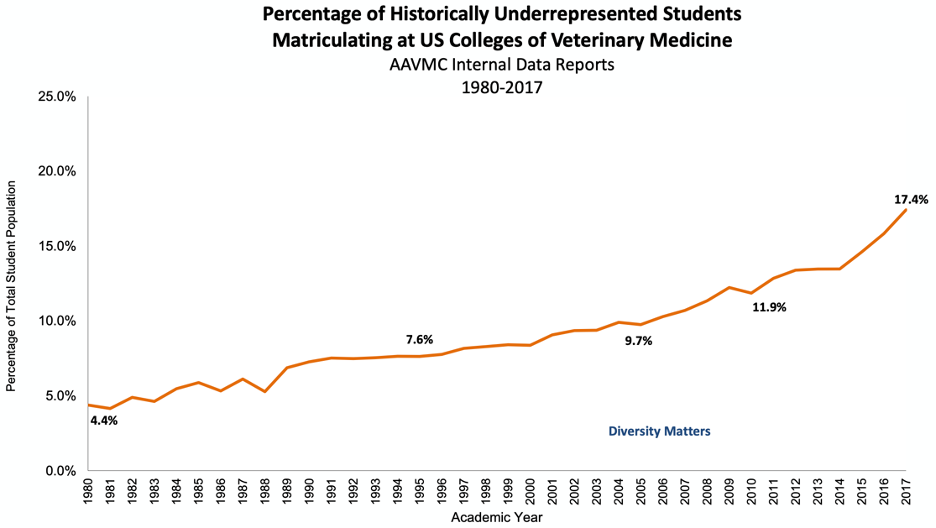
There have been some successes in addressing discrimination in veterinary medicine. Historically underrepresented groups have increased as a proportion of the student population.
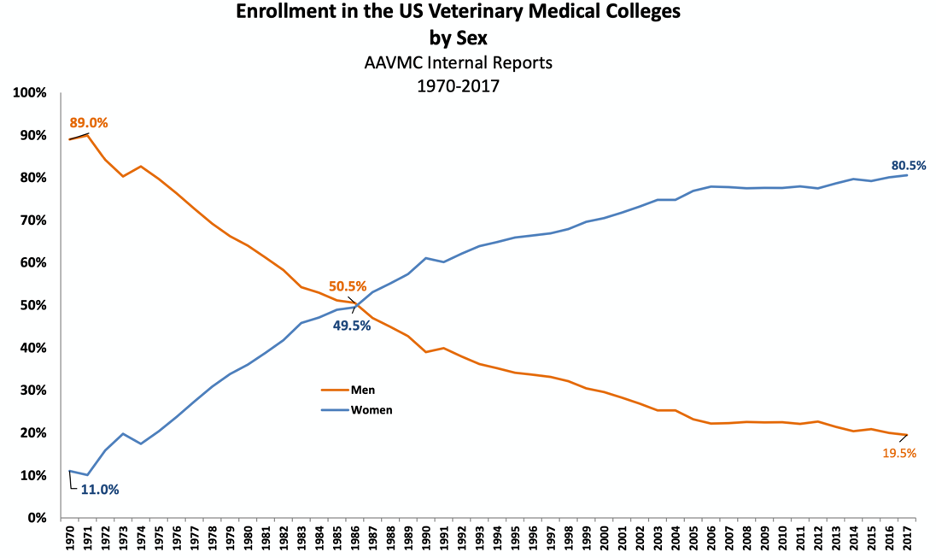
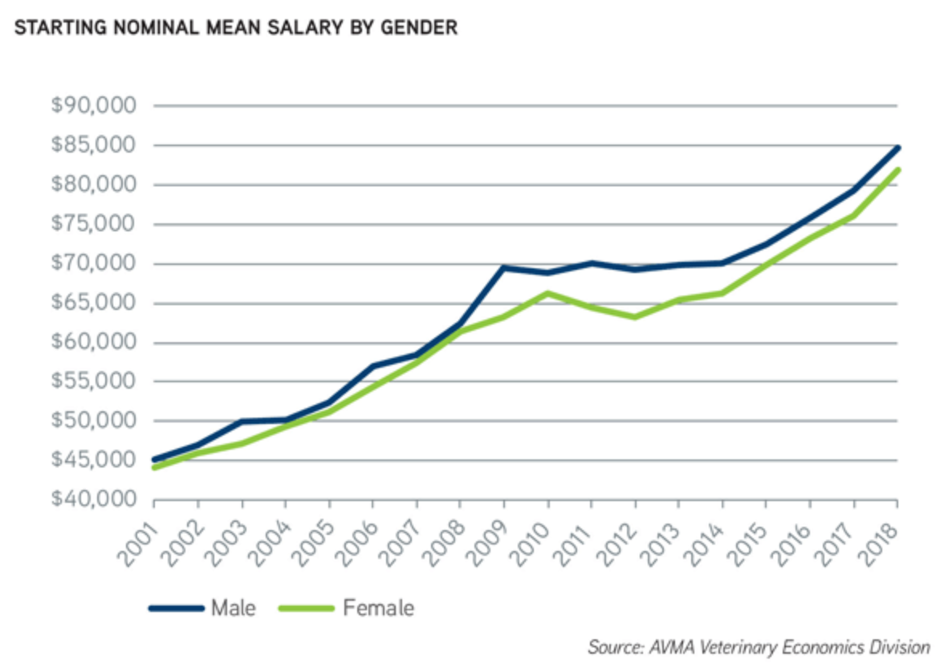
Women, in particular, have gone from a small minority to a large minority in veterinary schools, and they are now a majority in the profession and beginning to achieve parity in some areas, such as leadership roles at veterinary schools, though there are still disparities in pay and other indicators of equity.
We have actually reached a point where the overrepresentation of women in some areas of veterinary medicine is problematic. Contrary to a common assumption, diversity is not inherently a concept intended to exclude white people or men, and true diversity in the profession requires a better balance than currently exists in the gender representation among veterinarians.
However, it is important to remember that the historic underrepresentation of women in the field was the result of both individual and systemic discrimination, and the influx of women into the profession can be seen, at least partially, as evidence of effective strategies for combatting this. The underrepresentation of men in veterinary schools today, on the other hand, seems unlikely to represent the same kind of discrimination since it is implausible that a group still in a position of privilege and power in most areas of American society would somehow be excluded by deliberate or systemic discrimination in one small domain like veterinary medicine.
There are likely complex factors involved in the decline in male applicants to veterinary schools, and many of these may involve the ways in which the profession is portrayed and perceived in the culture as well as economic factors. For example, as veterinary medicine has shifted from a focus on food and working animals to companion animals, it may be seen more as a caring or nurturing profession which cultural stereotypes classify as more appropriate for women (women are also overrepresented in pediatrics and nursing, for example). Veterinary medicine is also among the lowest-paid of the medical professions, and men may be more likely to pursue higher-paying jobs (female-dominated professions in general tend to pay less than male-dominated occupations). The growing scarcity of male role models, at least in companion animal medicine, may also be a contributing factor.
The issue of gender representation is relevant to the subject of racism in veterinary medicine both as an example of how historic discrimination can be overcome and also how complex and indirect the factors influencing the recruitment of different groups into the profession can be. The underrepresentation of African Americans in veterinary medicine, for example, is sometimes written off as a lack of interest. This narrative suggests that black people aren’t as interested in animals as white folks and so are less likely to want to be veterinarians. The issue of cultural differences in attitudes towards animals is a real and complex one, but as a facile way of denying racism as a cause for underrepresentation of African Americans in veterinary medicine, it is not convincing.
For one thing, this doesn’t explain the consistent underrepresentation of other minority groups, such as the Latinx community. The idea that multiple historically marginalized groups all just happen to not be interested in veterinary medicine is not plausible. More likely, the paucity of applicants from underrepresented groups is related to a lack of examples and role models from those communities that make the profession seem welcoming and possible for them, the disadvantages such groups face in terms of education quality and opportunity well before veterinary school, the rising cost of a veterinary medical education, and a constellation of other factors. Such factors have certainly been demonstrated to be associated with underrepresentation of African Americans, for example, in other professions, and addressing these barriers has improved diversity in these cases.
Clearly, we have a lot of work to do as a profession if we are committed to real diversity. White people must take an active part in this work, leveraging our power and privilege no support equity and improve opportunities for those who have been, and still are denied then. We must remember that diversity is not a zero-sum game in which one group must “lose” for others to succeed. No one, least of all people of color, is suggesting lowering standards or implementing some sort of active “reverse discrimination” against white people. The goal is to ensure that everyone has a chance to explore and fulfil their potential, and that barriers to this which apply disproportionally to historically marginalized groups are removed. Diversity ultimately benefits the profession and all of us in it.
As a relatively old, white, male veterinarian, I can acknowledge the injustice that has favored those like me without feeling that the effort and struggles I endured to get where I am are being invalidated. I may be good at my job, and I may have earned my place through hard work. But many people who are just as talented, just as hardworking, and who have even greater obstacles before them are as deserving but have been denied the opportunities I have had. There is no question that being white has been an advantage in my journey. It does not diminish me to acknowledge this, but it does engender a responsibility to contribute to a more just future.
Cultural Competence in Veterinary Practice. V.Kiefer, K. Grogan, J. Chatfield, J. Glaesemann, W. Hill, B. Hollowell, J. Johnson, D. Kratt, R. Stinson, and K. Urday. JAVMA. 2013 243:3, 326-328