There are a seemingly infinite number of herbal remedies and dietary supplements marketed for pets, thanks largely to the inadequate regulation of such products and the inability of the government to enforce what rules there are. This creates an open field for unproven or outright quack remedies, which can be cheaply and profitably marketed to worried pet owners trying to prevent or treat serious illnesses. The resources spent in this way would be better used in rigorous scientific evaluation of such remedies to identify which have real value and which do not, but such is not the way of the medical marketplace.
It is impossible to look into even a small proportion of these nostrums and evaluate the evidence for the claims made by the individuals and companies selling them. However, when one of these products is brought to my attention, by a client, advertising literature, or an investigative review done elsewhere, I try to evaluate the claims and evidence for that product and make that information available to pet owners and veterinarians here. In this case, a previous review and a recent update at Science-Based Medicine, by Dr. Harriett Hall, drew my attention to a product called Protandim.
What Is It
The reported ingredients are milk thistle, bacopa extract, ashwagandha, green tea extract, and turmeric extract, though the blend is “proprietary” and no details are given.
The marketing of Protandim [Note 7/25/2013-Link broken, original page has been removed] resembles that for the DogterRx I investigated recently, in that it has many of the classic warning signs of snake oil, including:
A mixture of multiple herbal ingredients with different proposed effects and mechanisms (though as always there is some overlap since most herbal products are claimed to be useful for a tremendous variety of problems).
Vague claims about treating “oxidative stress” and “inflammation” based on in vitro or lab animals studies, with the implication that “anti-oxidant” and “anti-inflammatory” agents must automatically be safe and beneficial.
Claims for benefits in a wide range of unrelated medical conditions, including
Better skin and coat
Increased energy & endurance
Healthier immune system
Better sleep
Better joint health and mobility
Reduced joint pain and inflammation
Stronger resistance to allergies
Stronger resistance to Valley Fever (Southwest)
Better tooth & gum health
Better cardiovascular health
Increased mental function and alertness
Reduction of age-related cognitive decline
Anti-aging effects at the cellular level
(The claims in the company patent are even more amazing.)
And apparently it is good for conditions which are exactly the opposite of each other:
If your pet seems moody or lethargic, why not try giving them a dose of Protandim…
High energy dogs and service dogs are also excellent candidates for Protandim.
Claims of perfect universal effectiveness:
It’s been scientifically proven to work in 100% of the people, 100% of the time!
Just one caplet of Protandim per day is clinically proven to reduce oxidative stress an average of 40%, reducing the level of cell aging to that of a 20 year old or a very young child, regardless of your age!
Dramatic testimonials of miraculous effects.
An aggressive distributed, multilevel marketing structure that tries to recruit anyone who buys the product to be an “authorized distributer.”
And of course, “Protandim is all natural, and there are no known side effects except allergic reactions to one of the ingredients…” So it can reverse aging, prevent or treat almost any illness, and fundamentally alter your body’s chemistry without any possible side effects? Amazing!
The makers also make the ridiculous assumption that any benefits in humans (as poorly substantiated as they may be) can automatically be assumed to be seen in “all mammals.” They do not make a veterinary product but simply give this advice:
How to Share Protandim with Your Pet
Start by crushing a caplet and mixing it in a treat your pet enjoys or their usual food. Use less Protandim for smaller animals, more for larger dogs (try a pinch for a small animal or cat, to a whole capsule for large animals). Observe closely for improvements in behavior, improved energy, pain reduction, sleep, etc. When administering Protandim to an animal, err on the side of using a smaller dose and increase gradually as needed.
The company will produce a special version of Protandim just for pets in the future. But for now, cut down the yellow caplets to create pet-size dosages. This will work just fine.
Gee, who knew that the entire field of pharmacology was unnecessary and one can just pick what looks like a “pet-sized dose” of a human medicine and it will work just fine!
Does It Work?
The underlying theory used to promote this product, that anti-inflammatory and anti-oxidant effects are beneficial for a wide range of unrelated diseases, is dubious. Anti-inflammatory medications, such as steroids and non-steroidal anti-inflammatories, do have demonstrated benefits, but not surprisingly these come with demonstrated risks. Anything that suppresses inflammation, whether or not it comes from a plant originally, is tinkering with a core physiologic process, and it is simply impossible to do this without risk. the issue of whether the benefits outweigh the risk for particular patients with particular medical conditions, is one that can only be answered with the kind of research that has not been done for this product or its constituent ingredients.
Interestingly, there is also growing doubt about the benefits and safety of anti-oxidants. The hype about anti-oxidants has turned out to be unrealistic, and risks have been seen with Vitamin C, Vitamin E, and other known anti-oxidants. Free radicals and oxidative compounds do have the potential to cause damage and disease. but they are also responsible for some of the protective activities of our immune system, for the beneficial effects of some anti-cancer therapies, and other positive phenomena. As always, tinkering blindly with a common chemical or physiological process is likely to have more risks and fewer benefits than a targeted use of specific and well-researched medicines for specific problems.
There is a fair amount of in vitro and animal model research, a little bit of clinical trial research in humans, and even the occasional small clinical trial in veterinary species, looking at the activity and effects of the individual ingredients. None of them have well-demonstrated benefits or clear evidence that there is negligible risk in using them, but several have interesting properties that warrant further study. It would not at all surprise me if compounds derived from some of these ingredients turned out to have therapeutic value, but that is a far cry from justifying the kind of claims made for this product.
And naturally, the mixture in Protandim is claimed to be more effective than individual ingredients taken separately. The web site even states quite precisely (if meaninglessly) that the ingredients have “1500% greater synergy working in tandem (together) than what they are able to achieve on their own.” This is even more impressive given that isolated and purified compounds are usually safer and more effective than variable mixtures of many chemicals. Synergism in plant-derived remedies has been demonstrated in some cases, but it is not a general rule that can be relied on. Polypharmacy (the use of mutliple drugs and herbal remedies or supplements) significantly increases the risk of undesirable interactions between compounds. Once again, apparently the rules of pharmacology don’t apply to this product.
Dr. Hall has reviewed the few studies on the product itself.
My original article only mentioned the 3 studies available at that time. As of this writing (October 2011), a query to PubMed brings up 8 published, peer-reviewed studies:
1. A human studyshowing changes in TBARS, SOD, and catalase.(2006)
2. A cell culture studyshowing increases in glutathione. (2009)
3. A mouse studyshowing an effect on skin tumor carcinogenesis. (2009)
4. A study in a mechanical animal model showing that chronic pulmonary artery pressure elevation is insufficient to explain right heart failure. (2009)
5. Another mouse studyshowing that Protandim suppressed experimental carcinogenesis and suggesting that suppression of p53 and induction of MnSOD may play an important role. (2010)
6. A study of muscular dystrophy miceshowing that Protandim decreased plasma osteopontin and improved markers of oxidative stress. (2010)
7. An ex vivo (tissue culture) study of human saphenous veins, showing that Protandim attenuated intimal hyperplasia. (2011)
8. An evaluation of the role of manganese superoxide dismutase in decreasing tumor incidence in a two-stage skin carcinogenesis model in mice.(2011)
…If I were a mouse being artificially induced to develop skin cancer in a lab study, I might seriously consider taking Protandim. But so far, the only study in humans measured increased antioxidant levels by a blood test but did not even attempt to assess whether those increases corresponded to any measurable clinical benefit, for cancer or for anything else.
So there is no evidence of clinically meaningful effects in humans, limited evidence of physiologic effects in humans which may or may not have any relevance to health, and of course no clinical studies at all in veterinary patients. Clearly, this doesn’t even begin to approach a reasonable justification for the wild claims made by the marketers of this product.
Is It Safe?
Who knows? The individual ingredients have been associated with some adverse reactions, both allergies and others. But in the absence of formal study, we don’t even know how common and serious these are. Far more extensive research is done on pharmaceuticals before they are released into the market, and unexpected problems still show up in those products. Our ignorance about these compounds is much greater, and therefore so is the risk of using them blindly. There is no safety information at all about the combination product.
Bottom Line
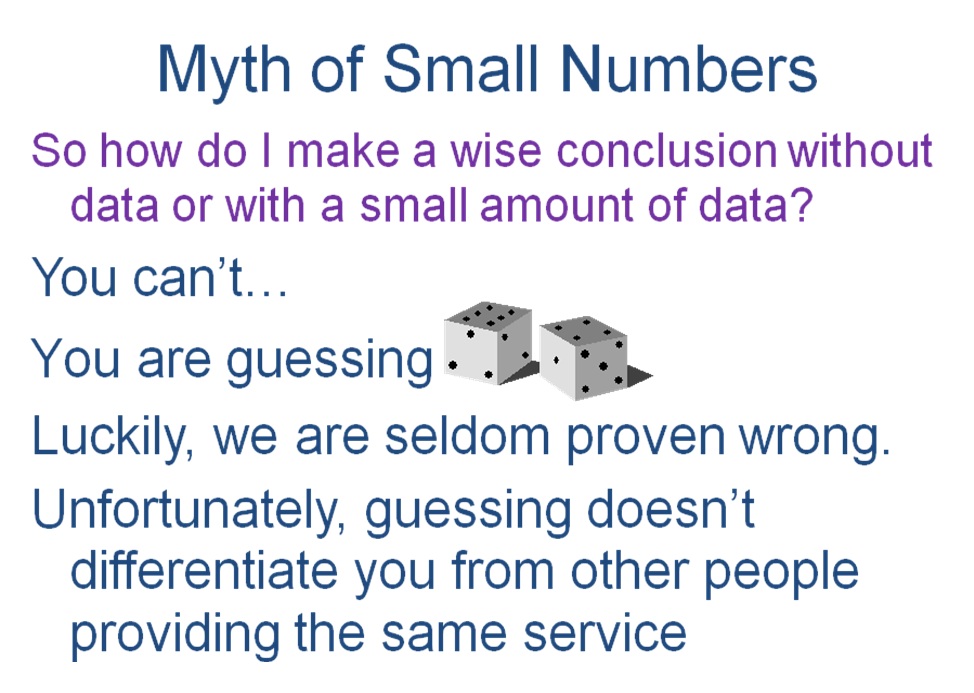
The underlying theory used to promote this product, that anti-inflammatory and anti-oxidant effects are always safe and beneficial, is highly doubtful. There is only weak in vitro and animal model research to indicate that the ingredients in Protandim, or the combination product, have potentially useful effects on cells or biochemical markers. There is absolutely no clinical trial evidence to indicate Protandim has any of the claimed benefits in humans or animals. While the absence of evidence is not proof the product is unsafe or ineffective, it is absolutely a reason to be skeptical of wild claims of miraculous benefits. At best, using this product is simply rolling the dice and hoping for the best. That seldom works out for gamblers in Vegas, and it is not an appropriate approach to healthcare except in the most dire of circumstances.